The Hollywood Feed World Elite Mastercard®. Apply Now! Issued by TAB Bank, pursuant to license by Mastercard International Incorporated.



Natural Cat Food
The Best Dry, Wet, and Freeze-Dried Cat Food for Every Life Stage
At Hollywood Feed, we know that finding the perfect diet for a feline can be a challenge. That is why we carry only the best cat food formulated to be irresistible to your feline friend—even if you have a notoriously picky cat in your life! From a rambunctious kitten who needs a nutrient-dense formula to a picky older cat that only craves soft canned cat food, our curated selection features top, all-natural ingredients that you will actually recognize. We proudly carry trusted, industry-leading brands like ACANA, Weruva, NutriSource, Primal, and Fromm.
Why Buy Cat Food at Hollywood Feed?
- A Texture for Every Palate: Whether your cat prefers dry cat food, moisture-rich wet food, or raw-inspired freeze-dried cat food, we have the perfect texture to keep them satisfied.
- Nutrition for All Life Stages: Brands like Orijen offer perfectly balanced formulas tailored to every life stage, from kitten food for growth to senior cat food for joint and weight management.
- Mealtime Enrichment: Spice up feeding time and prevent scarf-and-barf with a stimulating cat puzzle feeder or a delicious cat meal topper.
- Earn Free Food: Utilize our Frequent Feeder Program on participating cat food brands to earn free bags through Same Day Delivery, Curbside Pick-Up, and In-Store purchases.
- The Hollywood Feed Promise: If your cat turns their nose up at it, don't worry! If they don't love it, we will gladly replace or refund it.
Related Categories: All Cat Treats, Freeze-Dried Cat Food, Lickable Cat Treats, Cat Bowls & Feeders
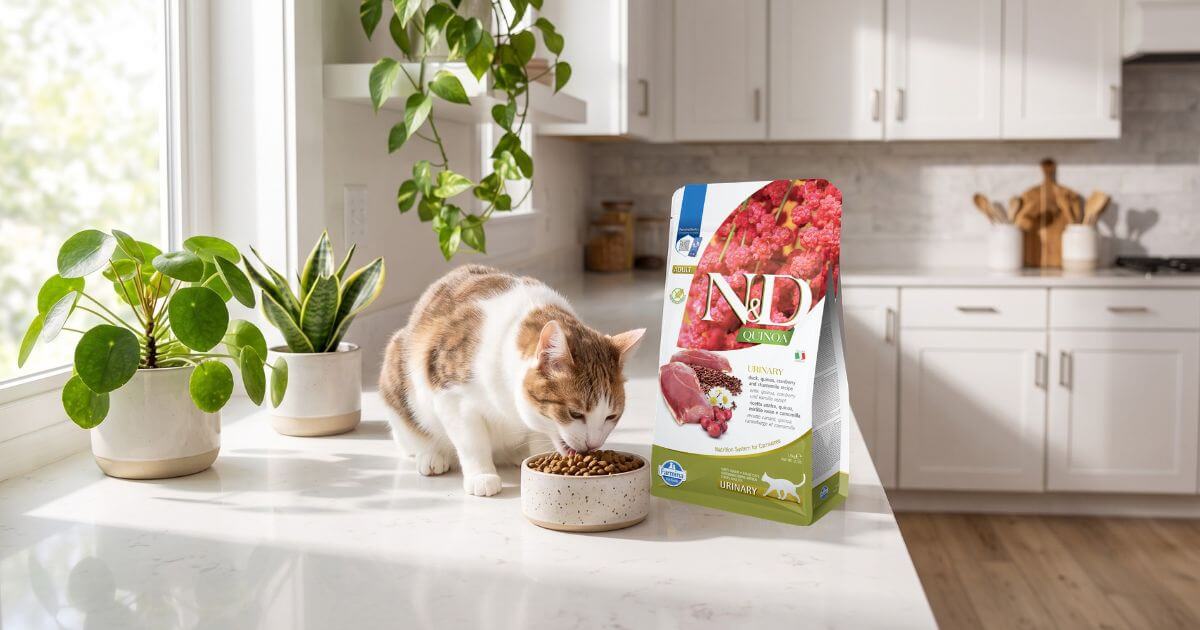
Frequently Asked Questions About Cat Food
Q: What is the best cat food for a picky cat?
A: Picky cats often respond well to texture and temperature changes! If they are tired of their standard kibble, try incorporating a savory cat meal topper or mixing in a bit of warm water with a freeze-dried cat food. You can also entice them by using squeeze tubes of yummy lickable cat treats as a garnish on top of their main meal.
Q: Why is Taurine important in cat food?
A: Cats are obligate carnivores, meaning they require a diet rich in animal protein to survive. Taurine is a critical amino acid found exclusively in animal-based proteins, and it is essential for a cat's vision, heart health, and digestion. To learn more about this vital nutrient, check out our helpful Hollywood Feed University blog: The Secret to Feline Wellness: Why Cats Need Taurine
Q: Should I feed my cat wet food or dry food?
A: Both offer unique benefits! Dry cat food is highly convenient, affordable, and helps scrape plaque off teeth. However, because cats naturally have a low thirst drive, feeding canned cat food is a highly recommended way to add vital hydration to their diet, which supports kidney and urinary tract health.
Q: I'm out of cat food! Can I get it delivered today?
A: Yes! We know cats don't like to wait for dinner. Hollywood Feed offers fast, convenient Same Day Delivery and Curbside Pick-Up options. Just check your address eligibility at checkout!
Keep your feline friend happy and healthy—sign up for Hollywood Feed emails & texts for personalized offers, expert feline nutrition tips, and product recommendations!
Understanding AAFCO Standards for Cat Food: Wholesome Feline Nutrition
Choosing the best cat food requires checking the label for a clear AAFCO nutritional adequacy statement to ensure your pet gets complete and balanced nutrition. Because cats are obligate carnivores, the Association of American Feed Control Officials (AAFCO) sets higher minimum protein and specialized amino acid standards (like taurine) for feline diets than for dogs. The highly trained Feed Team at Hollywood Feed is ready to guide you through pet nutrition profiles and find a natural cat diet tailored perfectly to your feline's life stage.
[+] Read More
What is AAFCO's Role in Cat Food Regulation?
The Association of American Feed Control Officials (AAFCO) is the primary entity setting quality and safety standards for pet food in the United States. It's a common misconception that AAFCO approves or certifies cat food; instead, it establishes model regulations and nutrient profiles that most states adopt into law. When a cat food claims to be "complete and balanced," it means it has followed AAFCO's stringent guidelines. This ensures that the food contains the necessary nutrients for a cat's specific life stage, be it growth, maintenance, or all life stages. For a product to meet one of the AAFCO nutrient profiles, it must contain every nutrient listed in the profile at the recommended level, according to a report from PetMD.
How to Find and Read the AAFCO Nutritional Adequacy Statement on Cat Food
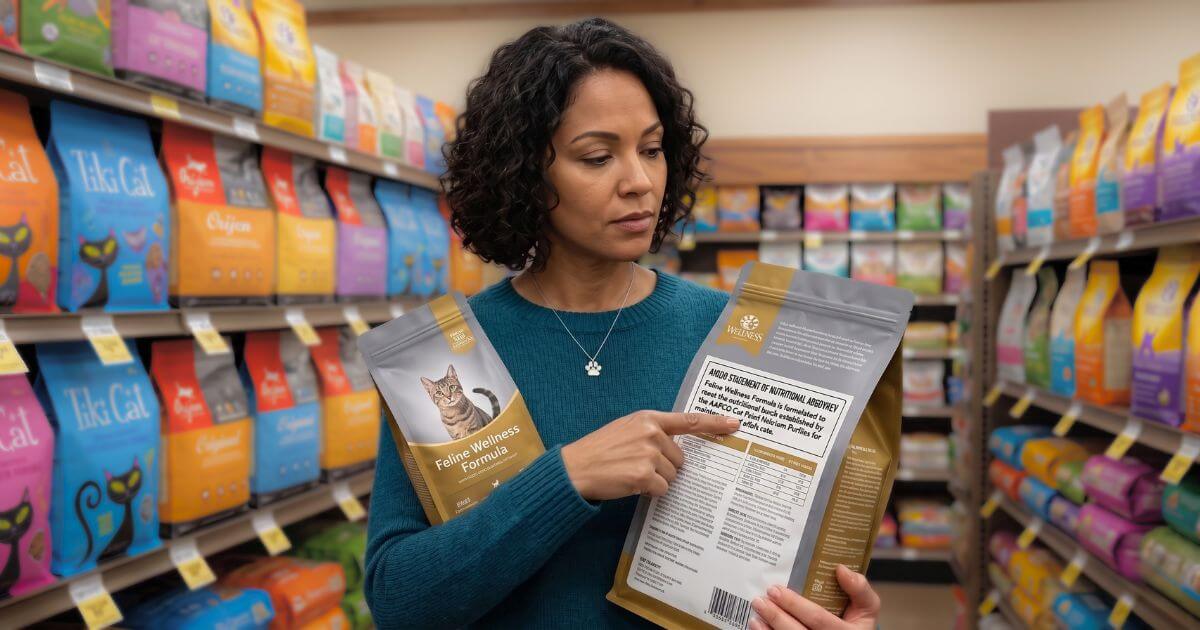
The nutritional adequacy statement is the most critical piece of information on a cat food label. It is usually found on the back or side of the packaging in small print. This statement confirms that the food is "complete and balanced" for a specific life stage. There are two primary ways a company can substantiate its nutritional claims:
- Formulation to meet AAFCO nutrient profiles: This means the food was created to meet the nutritional levels established by AAFCO for a cat's specific life stage.
- Animal feeding trials using AAFCO procedures: This is a more rigorous method where the food is fed to a group of cats to ensure it provides proper nutrition. The label will state that "Animal feeding tests using AAFCO procedures substantiate that [Product Name] provides complete and balanced nutrition."
Formulation vs. Feeding Trials: What's the Difference for My Cat?
While both methods are acceptable, feeding trials are often considered the gold standard. A food that has undergone a feeding trial has been proven to be palatable, digestible, and provide the necessary nutrients to a group of felines for a set period. However, a formulated food from a reputable company is still an excellent choice. The experts at Hollywood Feed can help you understand the difference and choose the best option for your cat.
A Guide to Reading Cat Food Labels Beyond the AAFCO Statement
Understanding a cat food label can feel like deciphering a foreign language. In the United States, the pet food market is a massive industry, with owners spending billions annually on food alone, as reported by Mordor Intelligence. With so much at stake, it's crucial to understand what you're buying. Here's a breakdown of the key components of a cat food label:
| Component | What It Means | What to Look For |
|---|---|---|
| Product Name | The name of the food, which can indicate the amount of a specific ingredient. | Terms like "Salmon Cat Food" mean salmon makes up at least 70% of the product. "Cat Food with Salmon" means it contains at least 3% salmon. |
| Guaranteed Analysis | Lists the minimum percentages of crude protein and fat and the maximum percentages of crude fiber and moisture. | Use this to compare different cat foods, but be aware that you need to convert to a dry matter basis for accurate comparisons between wet and dry foods. |
| Ingredient List | Ingredients are listed in descending order by weight. | Look for high-quality protein sources like chicken, salmon, or turkey as the first few ingredients. Be wary of "ingredient splitting," where a manufacturer lists different parts of the same ingredient separately to make it appear less prevalent. |
| Feeding Directions | Provides a guideline for how much to feed your cat based on its weight. | This is a starting point. Adjust the amount based on your cat's age, activity level, and body condition. |
| Calorie Statement | Lists the calorie content of the food in kilocalories per kilogram and per cup, pouch, or can. | This is essential for managing your cat's weight. |
Why Trust Hollywood Feed for Cat Food Guidance?
In a crowded market, getting expert, unbiased advice is invaluable. This is where Hollywood Feed stands out. The company's "Feed Team" members receive over 40 hours of annual training through Hollywood Feed University. This intensive education covers a wide range of topics, including feline nutrition, AAFCO standards, and the specific formulations of the products they carry. This commitment to education ensures that when you walk into a Hollywood Feed store, you're speaking with someone who can provide genuine, knowledgeable advice. They can help you navigate the complexities of cat food labels and select a diet that is genuinely right for your pet. This dedication is backed by the "Hollywood Feed Promise," ensuring customer satisfaction.
3 Common Myths About Cat Nutrition Debunked
Myth 1: "Grain-Free" Cat Food is Always Healthier
While some cats have legitimate grain allergies or sensitivities, grain-free diets are not inherently better for all felines. It's crucial to speak with a veterinarian or a trained nutrition expert before switching your cat to a completely grain-free diet to ensure their nutritional profile remains balanced.
Myth 2: A Long Ingredient List Means Better Quality
A long list of ingredients, especially one full of exotic fruits and vegetables, might look impressive, but it doesn't always equate to a better cat food. The key is the quality and balance of the essential nutrients, particularly high-quality animal proteins. Sometimes, a simpler formula from a natural pet food brand is more beneficial for sensitive systems.
Myth 3: "All Life Stages" is Good for Every Cat
An "all life stages" cat food is formulated to meet the nutritional needs of the most demanding life stage: growth and reproduction (kittens and nursing mothers). This means it might be too high in calories and certain minerals for a sedentary adult or senior indoor cat, potentially leading to weight gain. It is often better to choose a food specifically formulated for your cat's current life stage.
How to Spot Potential Nutrient Deficiencies in Your Cat
| Sign | Possible Nutritional Link | Recommended Action |
|---|---|---|
| Dull, flaky coat or excessive shedding | Lack of essential fatty acids (Omega-3 and Omega-6). | Consider a cat food with higher levels of these fatty acids or a supplement. A natural wet food topper can also be a good option. |
| Low energy/lethargy | Could be related to a number of deficiencies, or a diet that is too low in calories or digestible animal protein. | Consult with a vet to rule out any underlying health issues and to ensure your cat's caloric intake is appropriate. |
| Poor dental health | While not always directly a nutritional issue, some diets and crunchy treats are designed to help clean teeth. | Regular veterinary check-ups are essential. Certain specialized dry cat foods can help reduce tartar buildup. |
| Digestive issues (hairballs, vomiting, diarrhea) | Could be a sign of a food intolerance, lack of fiber, or a diet that doesn't fit their obligate carnivore needs. | A limited-ingredient cat diet or specialized hairball formula may be beneficial. Speak with a vet about an elimination diet. |
| Weight changes | Unexplained weight loss or gain can be a sign of a serious health issue or an imbalanced diet. | Consult with a vet immediately. |
AAFCO-Specific Frequently Asked Questions
Q: What's the difference between AAFCO and the FDA?
A: AAFCO sets the nutritional standards for cat and dog food, while the FDA enforces the regulations. The FDA ensures that pet food is safe to eat and properly labeled.
Q: Can I make my own "complete and balanced" cat food at home?
A: It is exceptionally difficult to create a homemade cat diet that is truly "complete and balanced." Because cats require strict, precise amounts of taurine, vitamins, and minerals, errors can lead to blindness or heart disease. For most owners, a commercially prepared food from a reputable brand at Hollywood Feed is a safer option.
Q: How often do AAFCO standards change?
A: AAFCO's nutrient profiles are updated periodically based on the latest scientific research in companion animal nutrition. This ensures that the standards continue to reflect the most current understanding of what constitutes a healthy diet for felines.